
In today’s dynamic corporate environment, efficient deployment of office systems is crucial. The activation office process plays a significant role in ensuring that software operates seamlessly and legally across all devices. This article explores different strategies for effective office implementations, focusing on optimizing operations through robust activation processes. In many organizations, the seamless integration of new software solutions can determine the overall productivity and efficiency of the workforce. By leveraging advanced activation techniques, businesses can ensure that their digital environments are not only functional but also secure and compliant with industry standards.
Understanding the Activation Office
The activation office is central to deploying and managing software licenses in any organization. Whether it involves using a Windows 10 activator or engaging with product registration protocols, companies must ensure compliant and effective use of software suites. Activation ensures that digital rights are respected and that all installations are legitimate. A well-organized activation office can streamline processes, reduce administrative overhead, and provide a clear framework for managing software assets. Efficient management within this realm often translates into smoother operational workflows and enhanced compliance across the board.
Tools and Techniques for Efficient Activation
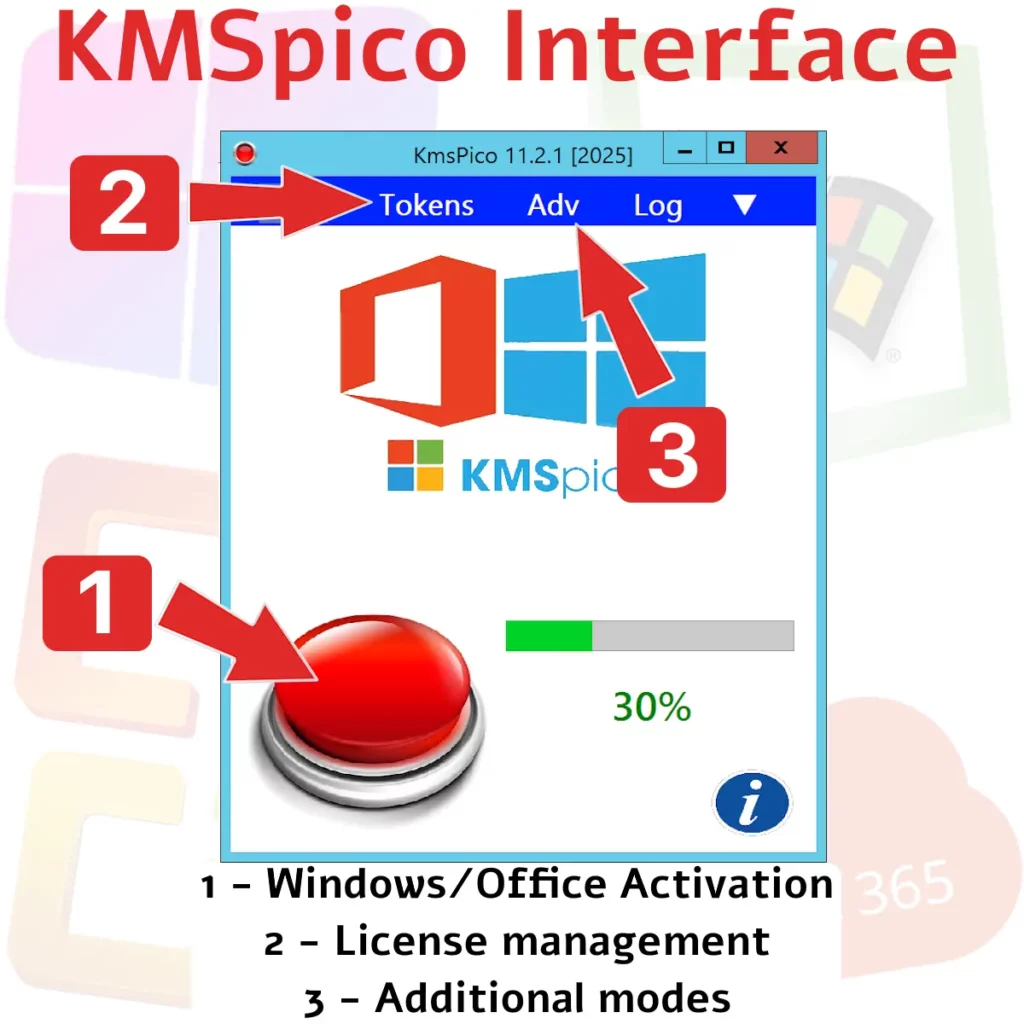
Effective office implementation often relies on precise tools and techniques, such as the KMS Windows activator, which ensures activation through reliable server connections. Tools like KMSpico 11 offer automated solutions to manage licensing without constant manual intervention. In practice, organizations might also utilize command-line tools such as DISM for deploying images with pre-set activation codes to streamline the setup process. These tools collectively enhance the management capabilities within an activation office by reducing error rates and improving response times when issues arise. The key lies in selecting tools that align with specific organizational needs while ensuring legal compliance.
Contrast in Activation Strategies
Different organizations approach the activation office in various ways. Some prefer manual methods that allow customization and granular control over each installation, ideal when dealing with unique requirements. Others adopt automated systems like KMSpico download, beneficial for large-scale operations where uniformity is paramount. The choice between manual and automated processes depends heavily on organizational needs and resources. Companies must weigh factors such as cost, time, scalability, and specific business objectives when deciding on an approach. It’s crucial to understand these factors to make informed decisions that bolster efficiency while minimizing risks.
The Role of License Keys in Activation
License keys are fundamental to the activation office strategy. They not only legitimize software use but also play a part in security and compliance management. Each key acts as a gatekeeper, ensuring the correct versions of an office suite are activated under appropriate conditions. Managing these keys effectively can be a challenge without clear protocols and systems in place. Proper license management helps prevent unauthorized use while facilitating audits and compliance checks. This aspect of management is critical as it helps maintain operational integrity across all digital platforms within an organization.
Automation Versus Manual Activation
Automation is increasingly favored due to its efficiency and scalability. Tools such as KMSpico streamline repetitive tasks involved in activating multiple systems within an enterprise setting. However, manual activation remains relevant where bespoke configurations are necessary, allowing for detailed customization that automation might overlook. The balance between these methods often lies in understanding specific organizational demands—automation suits larger infrastructures while manual methods cater to specialized applications.
- Automated Solutions: Ideal for enterprises with numerous devices requiring simultaneous setup.
- Manual Activation: Suited to environments where specific software settings need individualized attention.
The Importance of Compliance
A critical component of the activation office process lies in maintaining compliance with legal standards. Utilizing unauthorized tools like KMSpico without proper oversight could lead to legal challenges and operational disruptions. Organizations must ensure that any activator used aligns with their compliance obligations, preserving their operational integrity. Compliance not only protects against potential legal repercussions but also enhances trust among stakeholders by demonstrating commitment to ethical practices. Explore contrasting approaches to effective office implementations by visiting https://kmspico.lc/ for insights on activation office strategies.
Considerations for Virtual Environments
When implementing software in virtual environments, certain constraints need addressing. For instance, maintaining a VM configuration of 2 vCPU / 4 GB RAM may be necessary for optimal operation during activations using community tools like Windows 10 KMS activation solutions. Proper planning ensures that virtualization does not interfere with the smooth execution of licensing protocols. Virtual environments require careful assessment to ensure that they do not compromise performance or security during software deployment.
Evaluating Success: Metrics and Measurements
The success of an activation office strategy can be measured through several metrics: speed of deployment, error reduction rates, and adherence to licensing agreements are pivotal indicators. For example, achieving a 20% reduction in deployment time while maintaining a 95% compliance rate can signify a highly successful implementation strategy. These metrics help organizations quantify their success and identify areas for improvement within their deployment processes.
Troubleshooting Common Activation Issues
Inevitably, challenges may arise during the activation process—issues such as incorrect keys or failed digital rights verification can impede progress. At these junctures, dedicated troubleshooting protocols should be in place, perhaps involving system diagnostics or reverting to prior snapshots if issues cannot be resolved swiftly. Having robust troubleshooting measures helps minimize downtime and maintains productivity levels.
- Error Mitigation: Establish preventive measures against common failures in licensing checks.
- Snapshot Timing: Regularly schedule snapshots to quickly revert systems when unforeseen errors occur post-activation.
The Future of Activation Offices
As technology evolves, so too will the approaches within the activation office realm. Trends suggest greater integration with cloud-based services and further automation developments aimed at reducing human intervention while increasing accuracy and compliance rates across installations globally. Future advancements promise more sophisticated solutions capable of adapting to changing technological landscapes while safeguarding business interests.
Ultimately, understanding the nuances of effective activation office strategies can enhance an organization’s ability to deploy software efficiently while adhering to stringent compliance requirements. By choosing suitable tools and methods tailored to specific operational contexts, businesses can achieve seamless implementations that support both current operations and future growth objectives. Navigating this landscape requires foresight and flexibility as businesses strive to harness technological advancements for competitive advantage.
